Cult of the Serpent Queen
Southern Belief
Factions

Locations


Chapters

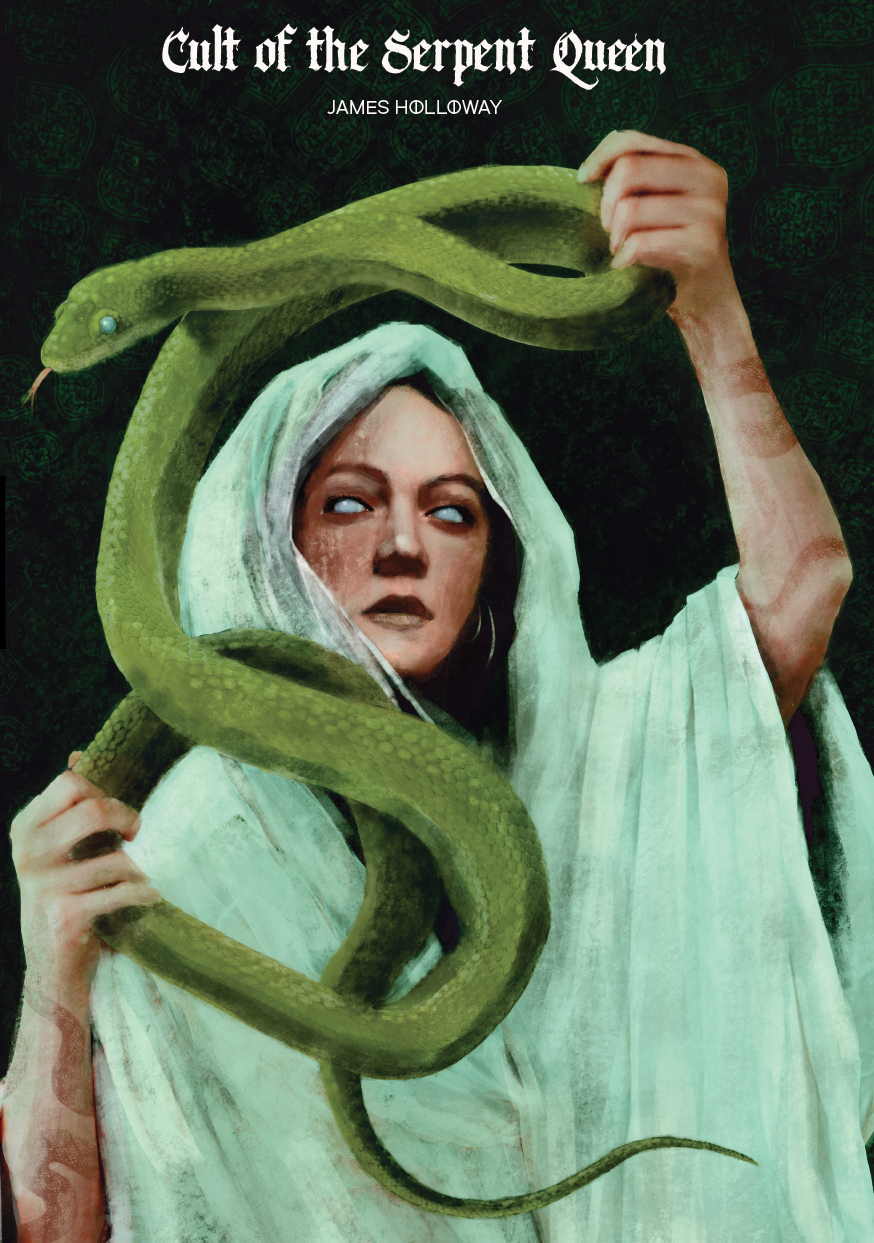
Centuries ago, the world cowered at the name of Sehtet ils Noh, the Devourer. Ambitious and resolute, this conquering queen spread her empire across the world. Even today, statues of the Serpent Queen tower over the southern lands she once subjugated.
Rulers and pretenders alike claim her as an ancestor, seeking to emulate her victories. Some view the Serpent Queen as a bringer of order, whose conquests brought peace and prosperity—others remember her as a tyrant.
Central to the reign of Sehtet Ils Noh was her embrace of the serpent cult and its secret rites. The queen cultivated the priesthood of the serpent and was initiated into their mysteries. The devotees of the snake cult became her closest advisors, and their mystical beliefs are said to have inspired both her courage and her cunning.
Legends vary when they speak of Sehtet ils Noh’s death. Some say it was one of Mother’s Sisters who drove a holy blade into the Serpent Queen’s heart, while others say she took her own life as her armies fled from an alliance of rival nations. Still others say an assassin cut her down within the ranks of the serpent cult itself.
In Naganeh, the priestesses of the Devourer teach that Sehtet ils Noh did not truly die. Instead, she transcended her own mortality and ascended to godhood, shedding her physical form as a snake sheds its skin. The faithful pray to her for wisdom, for strength of character, and for deliverance from the cruelties of the world.
The religion is a minor one in Gravenmark. They were tormented and persecuted by the church. The Serpent Queen followers are not illegal, but they face discrimination as a minority belief, especially in Ambaret, closer to the capital.
Myths
The actions of - and accusations against - the Serpent Priests
Constructing a labyrinth and stocking it with venomous creatures as a test for those who wish to expand their knowledge of the cult’s mysteries.